What the Most Powerful Man in the World Said to Himself Every Morning
Marcus Aurelius was the most powerful man in the world — and every morning he wrote himself a warning. Jimmy's analysis of Meditation II.1:…
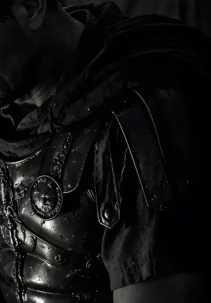
Marcus Aurelius was the most powerful man in the world — and every morning he wrote himself a warning. Jimmy's analysis of Meditation II.1:…
This post is about language — specifically, the language of Burton Raffel's translation of Beowulf. Aristotle named diction as one of his six elements…
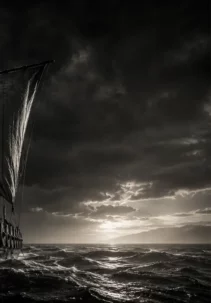
Why does Beowulf open with 'Hear me'? Because it was never meant to be read — it was meant to be performed. Jimmy explains…
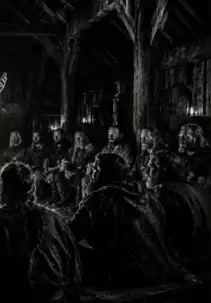
Beowulf has survived over a thousand years — and most people have never really read it. Jimmy opens a five-part analysis with translations, the…
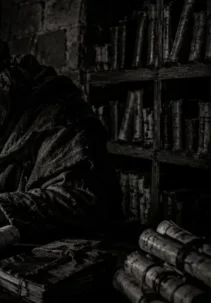
Jimmy analyzes the Wife of Bath's Tale — the rapist knight, the old woman's bargain, and what sovereignty really means. Includes Aristotle's plot theory…
Let's get one thing straight before we go any further: Lysistrata is a comedy. Not a tragedy. Not a cautionary tale. A comedy. And…
Everyone in Hamlet is watching someone else. Polonius watches Hamlet through Ophelia. Claudius watches Hamlet through Rosencrantz and Guildenstern. Horatio watches the King at…
This third essay argues that the most quoted line in The Art of War is only half the instruction. Sun Tzu puts self-knowledge first…
In the end, Diary of a Madman leaves us with a troubling realization which we will explore in Blog #3. The narrator does not…
In this post, we will watch the narrator’s journey into madness. The explanations that once lived quietly inside his diary and mind begin to…
In the final Blog #3, we’ll take a deeper look at why Sammy quits—not as a sudden reaction or a gesture for attention, but…

In Blog #2, we’ll examine the world of A&P – the middle ground, the center, the balance. Where behavior is structured, expectations are enforced,…