
Classic literature remains relevant because it explores timeless human experiences, sharpens critical thinking, and shapes modern culture. By engaging with these influential works, readers gain deeper insight into…
Blog

Is the narrator mad, or just wrong? Jimmy examines morality, murder, and the heartbeat under the floor in the final post of the Tell-Tale Heart series.
Poe's choice to tell The Tell-Tale Heart in first person is what makes it horrifying. Jimmy explains the difference — and why it changes everything.
He had no motive. No passion. He loved the old man. And he killed him because of an eye. Jimmy analyzes the obsession at the heart of Poe's…
Poe packs everything about his narrator into two sentences. Jimmy does a close reading of the opening lines of The Tell-Tale Heart word by word.
In 2,206 words, Poe gives you one of the most disturbing narrators in American literature. Jimmy breaks down the plot of The Tell-Tale Heart with Aristotle.
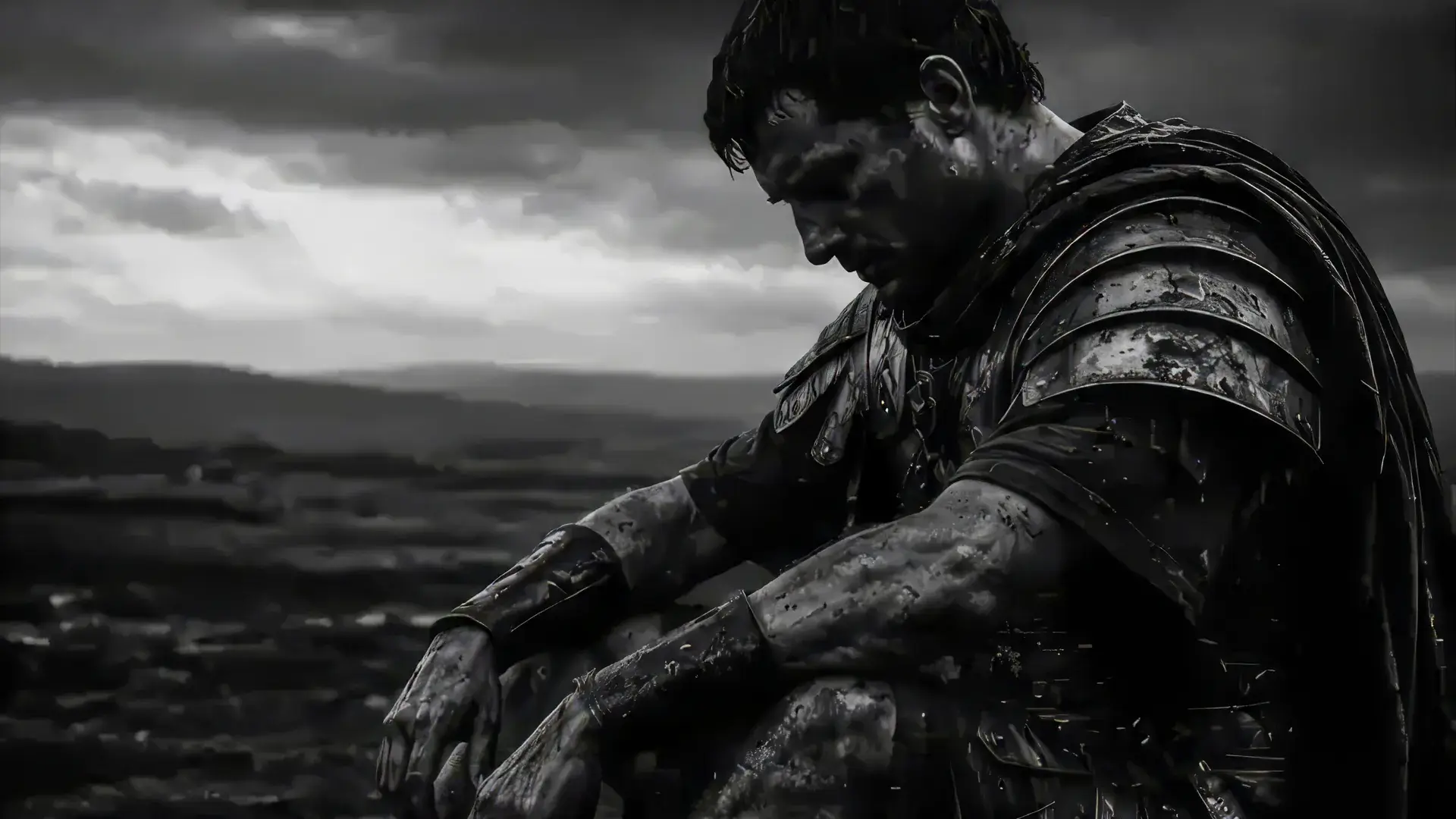
Marcus Aurelius wrote in Meditation V.18 that nothing happens to any man which he is not formed by nature to bear. Jimmy’s analysis of the hardest idea in…
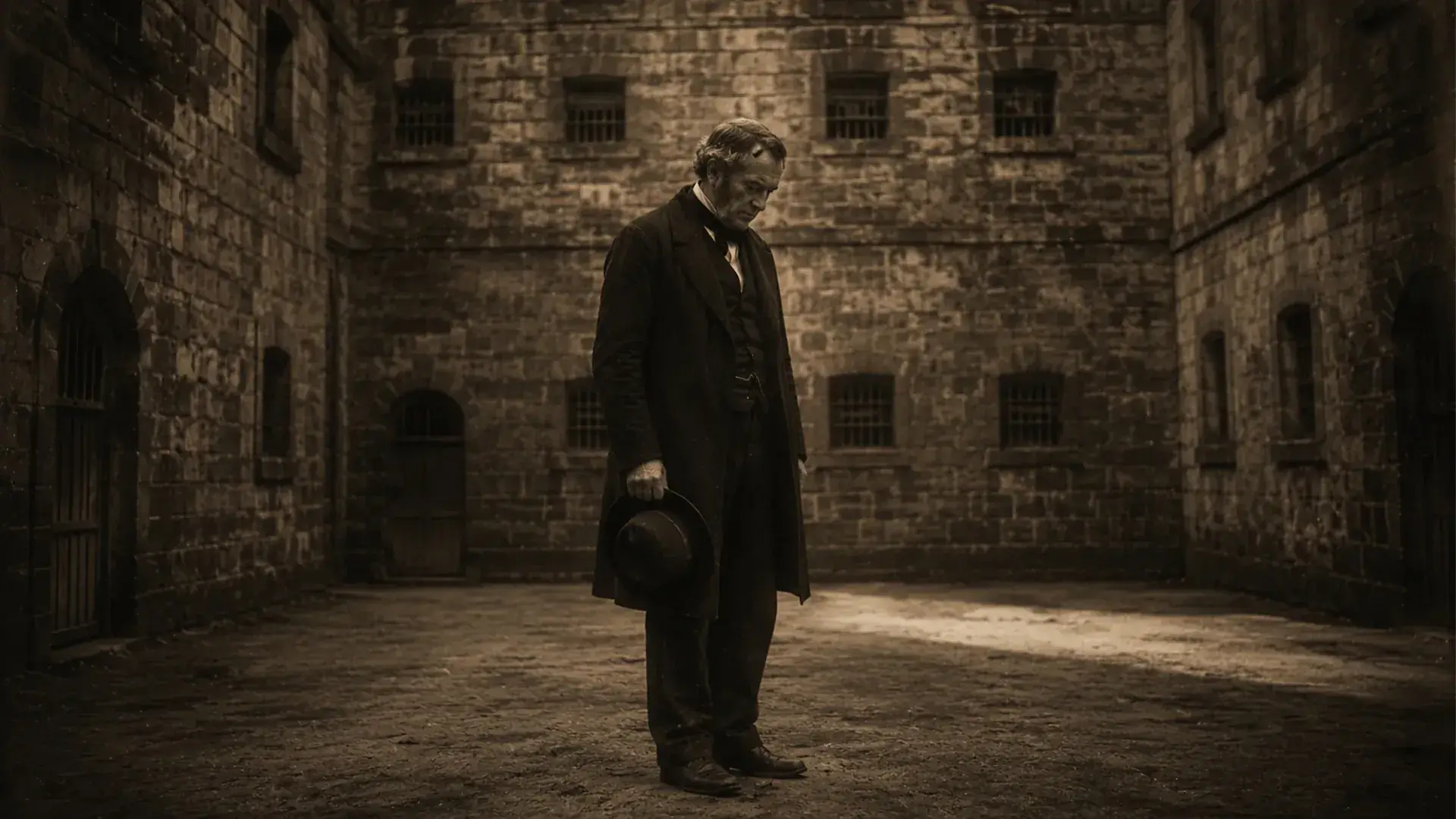
At the very end of Bartleby, the Scrivener, after Bartleby has died of starvation in the Tombs — the New York prison where he was sent as a…
When Jimmy finished the Meditations, he said three words: I wish I could have known him. Not studied him — known him. A personal reflection on who Marcus…
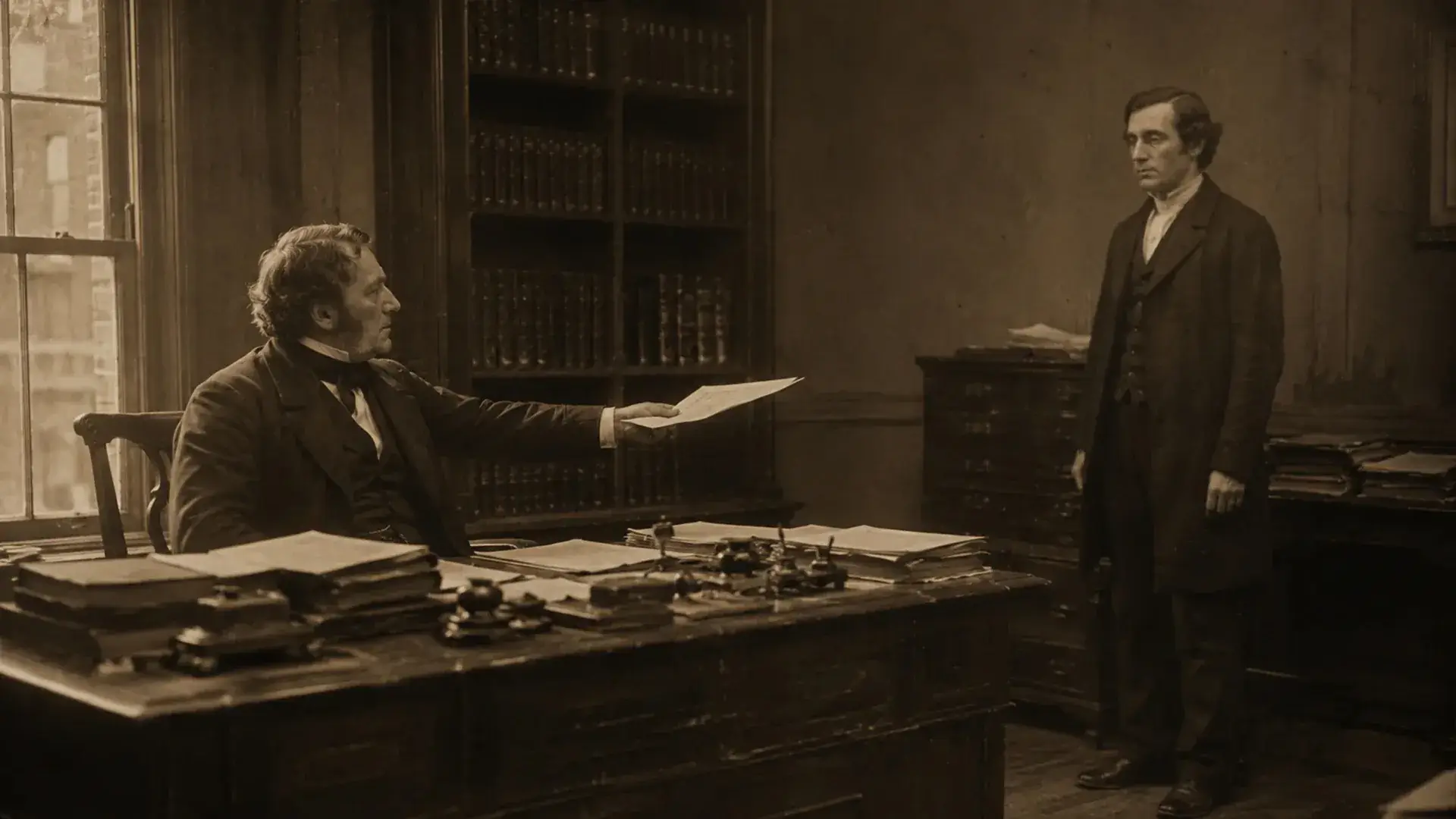
Every time we tackle a piece of classical literature on this site and on the YouTube channel, we bring in Aristotle. And every time we do, Jimmy gets…
Communication is not just what you transmit. It’s what is received. And if the receiver doesn’t understand a word, the transmission fails, no matter how clearly you think…

The NCTE said book reading is out. Jimmy asks: would you rather be operated on by the surgeon who read the books or the bullet points? Analysis of…