Nothing Happens to You That You’re Not Formed to Bear
Marcus Aurelius wrote in Meditation V.18 that nothing happens to any man which he is not formed by nature to bear. Jimmy’s analysis of…
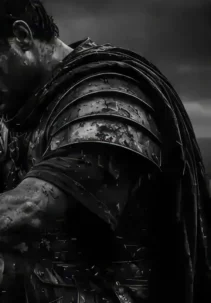
Marcus Aurelius wrote in Meditation V.18 that nothing happens to any man which he is not formed by nature to bear. Jimmy’s analysis of…
Marcus Aurelius wrote Meditation VII.8 on a battlefield where he might die the next morning. Don’t be disturbed by future things — you’ll have…
There's a moment in Act One that most readers rush past because the devil is coming and the pact is coming and the action…
Marcus Aurelius asked himself what is sufficient until death comes. He answered in four things: venerate, do good, bear, abstain. Jimmy’s analysis of Meditation…

Most people have one rule when someone offends them. Marcus Aurelius had nine. Jimmy's analysis of Meditation XI.18 — the most practically useful passage…
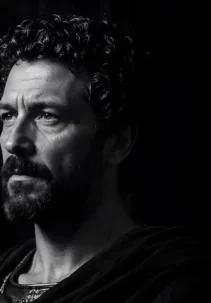
Epictetus wrote: when you kiss your child, remind yourself they are mortal. A BBC professor called it stupid. She missed the point. Jimmy’s analysis…

In Meditation V.13, Marcus Aurelius wrote that matter cannot perish into non-existence. Einstein proved it eighteen centuries later. Jimmy's analysis of atoms, change, death,…
Odin. Thor. Freyr. Freyja. Loki. A rich, complex mythology full of competing powers, supernatural drama, and very specific ideas about how a warrior should…

What is the truth in this story? We know it because the narrator told us: Hauchecorne picked up a piece of string. The wallet…

When something goes wrong — in a factory, in a business, in a life — the first instinct is to identify what happened. The…

A Duel: A Reading with Jimmy Series In this three-part blog series, Jimmy examines A Duel not as a patriotic story or a simple…

In this blog, we confront the novel’s most unsettling truth: retreating from the world does not protect us from it. Henry tries to build…