Your Moral Compass and a Heartbeat Under the Floor
Is the narrator mad, or just wrong? Jimmy examines morality, murder, and the heartbeat under the floor in the final post of the Tell-Tale…

Is the narrator mad, or just wrong? Jimmy examines morality, murder, and the heartbeat under the floor in the final post of the Tell-Tale…
Poe's choice to tell The Tell-Tale Heart in first person is what makes it horrifying. Jimmy explains the difference — and why it changes…
Poe packs everything about his narrator into two sentences. Jimmy does a close reading of the opening lines of The Tell-Tale Heart word by…
In 2,206 words, Poe gives you one of the most disturbing narrators in American literature. Jimmy breaks down the plot of The Tell-Tale Heart…
When Jimmy finished the Meditations, he said three words: I wish I could have known him. Not studied him — known him. A personal…

The NCTE said book reading is out. Jimmy asks: would you rather be operated on by the surgeon who read the books or the…
Herman Melville’s Bartleby, the Scrivener was first published in two parts in November and December of 1853 in Putnam’s Magazine. It barely registered. It…
Most readers come to Goethe's Faust and get lost in the deal with the devil. That's understandable. It's a dramatic premise. Man sells his…
Alice has been in Wonderland for three chapters and still doesn’t know who she is. The caterpillar is about to make that problem impossible…
The first sentence of Alice’s Adventures in Wonderland is 57 words long. Carroll never uses the word ‘bored.’ He shows it. That difference is…
This is not a story with a complicated moral ambiguity at its core. The lines are drawn clearly. And that clarity is not a…
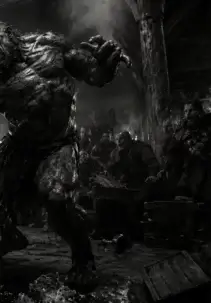
This post is about language — specifically, the language of Burton Raffel's translation of Beowulf. Aristotle named diction as one of his six elements…