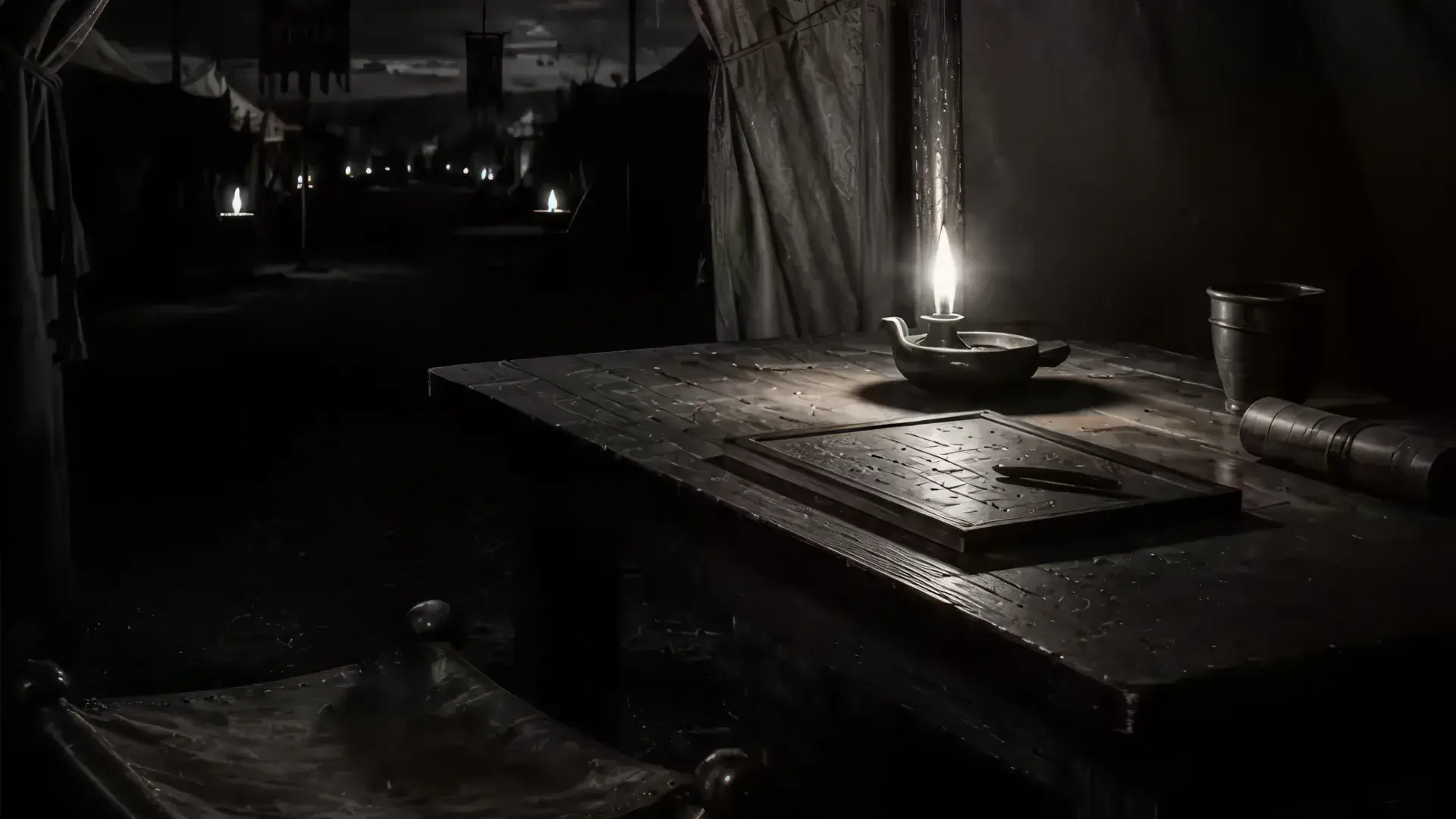
When Jimmy finished reading the Meditations of Marcus Aurelius for the first time, he thought about what he read for a while. And then he said to himself:
I wish I could have known him.
Not studied him. Known him. The distinction matters.
What Kind of Book This Is
The Meditations are not a philosophical treatise. They were never intended to be published. They were never intended to be read by anyone other than Marcus himself.
What you have when you open this book is a diary. The private thoughts of a man trying to get something right. That something is the living experience.
And not just any man. This was the Emperor of Rome. The most powerful person on earth at the time he was writing. Commander of legions, administrator of an empire that stretched from Scotland to Mesopotamia, responsible for millions of people whose lives depended on his judgment.
And at night, in his tent, on a campaign that lasted over a decade, he wrote these words. To himself. All centered on how to be good.
Not how to be powerful. How to be good.
You Can Almost Feel It
There is a quality to the Meditations that no other philosophical text quite has. You can feel him writing it.
Not in a metaphorical sense. In the sense that the writing itself carries the texture of a man thinking in real time. He circles back to the same ideas because he hasn’t resolved them yet. He is, in fact, arguing with himself in real time.
He states something confidently in one entry and qualifies it in another. He quotes Epictetus and Marcus and Heraclitus not to cite sources but because the words are helping him think.
You can feel the lamplight. The cold of a northern European winter in a military camp. The weight of the day that just ended and the uncertainty of the one that hasn’t started.
And then his hand moving across the wax tablet, trying to get something right that he’ll have to try to get right again tomorrow.
What He Was Like
What Jimmy can reconstruct of Marcus Aurelius, from the Meditations and from what history records, is a man who was genuinely trying. Not performing virtue. Trying to live it.
He was patient. Curious. He read voraciously — the Meditations reference dozens of writers, philosophers, and teachers, all of whom he’d absorbed and was now applying to the specific problems of living.
He was loyal to the people who had helped him become who he was. The first book of the Meditations is entirely devoted to acknowledging what he learned from each person who mattered to him. His grandfather. His father. His mother. His teachers. His emperor. He names them and records their gifts specifically, not generically.
He was honest with himself in ways that are for most of us uncomfortable to read. The Meditations contain no self-flattery. No passages where Marcus congratulates himself on a good decision or a virtue well practiced. The entire work is corrective — a man identifying his own failures and writing himself back toward what he believes is right.
The Gift of the Diary
In Meditation VI.2, Marcus writes:
Let it make no difference to thee whether thou art cold or warm, if thou art doing thy duty; and whether thou art drowsy or satisfied with sleep; and whether ill-spoken of or praised; and whether dying or doing something else.
Cold or warm. Drowsy or rested. Praised or ill-spoken of. Dying or doing something else.
He put dying and doing something else in the same list. As equivalent circumstances under which to do your duty.
That sentence tells you more about who this man was than any biography could. He wrote it to himself. He wasn’t performing it. He was trying to mean it.
Jimmy wishes he could have known him. The next best thing is reading him — all of him, every word, the way he actually wrote it.
Which is what this channel is for.
readingwithjimmy.com | [email protected]