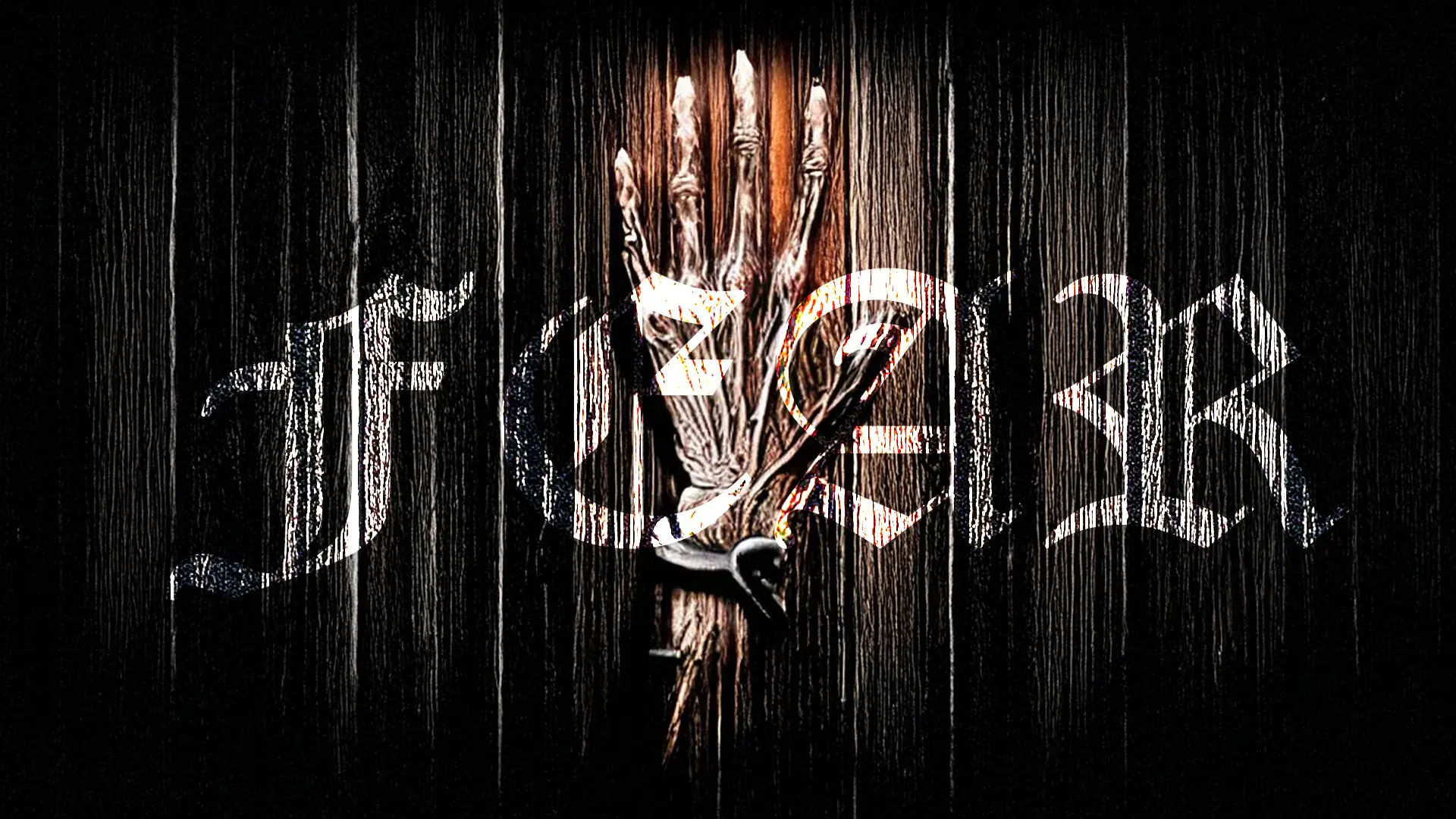
One of the most common ways readers approach Guy de Maupassant’s The Hand is to ask a single question: Was the hand alive?
Was it supernatural? Was it psychological? Was it a hallucination? A curse? A vendetta returned from the grave?
Those questions are understandable. They are also beside the point.
Maupassant, through his third-person narrator, is not interested in explaining the hand.
The interest is in explaining how fear is produced — and why people want it.
The Story Begins With an Audience, Not an Event
Before we ever hear about Sir John Rowell.
Before we ever see the hand.
Before we even know what the crime is.
We are shown a circle.
A circle of listeners, gathered around Monsieur Bermutier, an examining magistrate, as he gives his opinion on an “inexplicable” affair that once obsessed Paris.
This matters.
The story does not begin with a mystery.
It begins with people who want one.
“Inexplicable” Is Not “Supernatural”
The third-person narrator is careful with words. Bermutier does not say the affair was supernatural. He says it was inexplicable.
That distinction is everything.
“Inexplicable” means:
- not fully understood
- resistant to proof
- open to suggestion
Supernatural would close the case.
Inexplicable keeps it alive — especially in a room full of eager listeners.
Fear thrives where explanation hesitates.
A Magistrate Who Knows His Audience
Monsieur Bermutier is not naïve. He is an examining magistrate — trained to weigh evidence, to separate testimony from fact.
And yet, when he begins his story, he does something revealing:
He frames it.
He emphasizes:
- vendettas
- isolation
- a mysterious foreigner
- a grotesque object displayed like a trophy
He chooses details not to clarify, but to sharpen effect.
This is not a man uncovering truth.
It is a man performing plausibility.
The Hand as Object, Not Answer
Readers fixate on the hand itself — severed, chained, mounted, eventually missing a finger.
But Bermutier never asks us to solve the mystery.
Instead, the hand functions as:
- a visual anchor
- a conversational catalyst
- a symbol of unfinished business without explanation
Notice what never happens:
- No forensic conclusion
- No verified identity
- No confirmed motive
The hand does not explain the crime.
It sustains the story.
Delay, Distance, and the Safe Thrill of Fear
The most important structural choice Maupassant made was in using the third-person narrator to make distance.
The crime does not happen:
- to the listeners
- to Bermutier
- to the third-person narrator who is outside the story
- to us
It happens elsewhere, long ago, to someone already dead.
This distance allows fear without risk.
The women listening shudder — but remain safe.
The magistrate recounts — but remains detached.
The reader thrills — but is never threatened.
Fear is consumed, not confronted.
Why the Ending Refuses Closure
When the hand is later found on Sir John’s grave — missing a finger — we get what looks like an answer.
And then Bermutier stops.
No explanation is confirmed.
No cause is established.
No truth is secured.
Why?
Because explanation would end the pleasure.
The story exists not to resolve fear, but to preserve it in narrative form.
What The Hand Is Actually About
The Hand is not about whether the supernatural exists.
It is about:
- how stories are shaped for effect
- how authority lends credibility to fear
- how audiences participate willingly in their own terror
- how “inexplicable” becomes more satisfying than “true”
Maupassant through the third-person narrator shows us that fear does not require belief — only suggestibility.
Why This Still Matters
Modern readers often chase answers in stories that are built to resist them. Maupassant understood that fear is most potent when it is framed, delayed, and never fully owned.
The Hand endures because it reveals something uncomfortable: We do not want truth as much as we want a story that keeps fear alive. After all, when you feel fear, you know you are alive — even if nothing in your life has actually changed. The Hand gives us exactly that — with exquisite control.